
Profile Privacy Controls in Thunderstruck 2 Slot for Canada Users
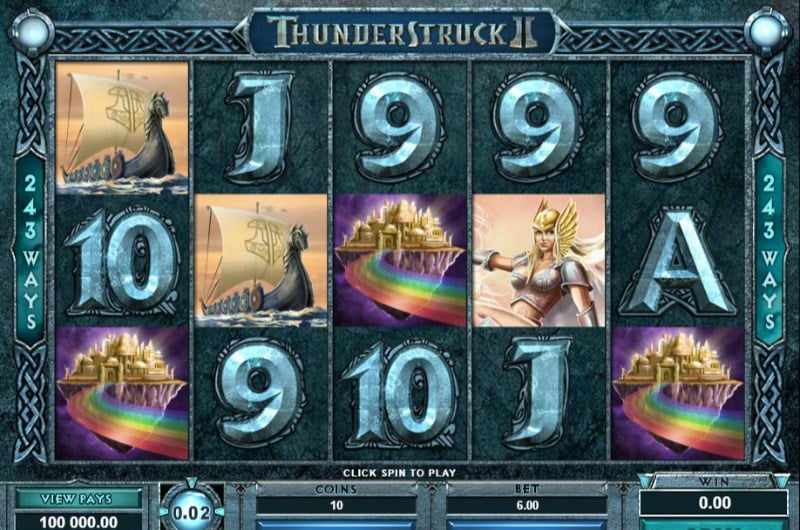
For users who like the Norse adventure of Thunderstruck 2 Help 2 Slot, managing personal information should be easy and protected. This guide describes the profile privacy controls offered to Canadian users. We will go through each control, indicate you what it does, and propose ways to adjust your experience. You should feel assured playing, knowing you have command over your personal gaming profile.
Step-by-Step Guide to Best Privacy Settings
User preferences vary, but we can recommend a strong starting point. Follow these steps to create a strong privacy setup. First, go to your Privacy Dashboard as explained earlier. Second, in the Profile Visibility section, adjust every option to the strictest level, like “Only Me,” unless you have a specific reason to share. Thirdly, in Communications, disable all promotional emails and in-app notifications. Then, strategically turn back on only the ones you actually want. Finally, in Security, change your password to a strong, strong one. Turn on Two-Factor Authentication immediately. As a final step, inspect your Login History and end any old sessions. This structured approach needs about 15 minutes. It gives you long-lasting peace of mind.
- Access your account profile menu and access the Privacy Dashboard.
- Set all Profile Visibility settings to highest restrictions as your default.
- Check and personalize your Communication Preferences to minimize clutter.
- Enhance Security by refreshing passwords and turning on 2FA.
- Do a last check by reviewing active sessions and login history.
Handling Your Gaming Privacy
Overseeing your profile privacy options in Thunderstruck 2 Slot is a straightforward process with tangible impact. We’ve examined why these settings are important, demonstrated how to locate and tweak them, and provided a guide for better security and privacy for Canadian users. From controlling what others see to controlling your inbox, from bolstering your login to knowing your legal rights, each step gives you control. It creates a protected, more customized gaming experience. We advise you allocate a little time today checking your settings. Then you can focus on what is important: savoring the epic adventures and thrilling spins of this classic slot game, assured in the awareness that your personal information is under your control.
Controlling Profile Visibility and Public Information
This section governs what other players can access about you. It’s about crafting your public gaming persona. Options here can include showing or hiding your real name, your username, your avatar, and your gameplay stats. You might opt to be an anonymous warrior, or you might desire to share your accomplishments. Settings may also control whether people can see that you’re online. Reflect about each element on its own. Maybe you want to display your player level but keep your total winnings private. Adjusting these settings lets you engage in the social parts of gaming on your own terms. You reveal only what you want to share.
- Username & Avatar Visibility: This determines if your chosen alias and profile picture are public or just for you.
- Gameplay Statistics: This controls if metrics like your level, achievements, or session history appear on public leaderboards.
- Online Status Indicator: This lets you appear “offline” even while playing, which helps you focus without interruption.
- Profile Discovery: These settings shape whether your profile can be found through a search, either inside or outside the platform.
Handling Personal Data and Communication Preferences
This category covers how the platform itself utilizes your data and how it interacts with you. It’s distinct from public visibility. It centers on the behind-the-scenes flow of information. Here you will discover controls for email subscriptions, promotional offers, in-app notifications, and data collection for analytics. You can select exactly which types of messages you want to receive. These might be deposit bonuses, announcements for new slot games, or essential service updates. You can also often review what personal data the site holds and ask for it to be removed. This is your way to build a communication stream that suits you, free from clutter and aligned with what you find interesting.
Email and Notification Options
Fine-tuning these choices stops your inbox from getting cluttered. It ensures you only get alerts you find important. You can usually split “Transactional” emails, like deposit receipts, from “Marketing” emails, like bonus offers. It’s a good idea to maintain transactional emails active for your own records. For marketing emails, be selective. Maybe you want news about new Norse-themed games but not about other types of games. You can also adjust pop-up notifications within the platform here. A good notification setup enhances your gameplay. It provides timely information without distracting you during a crucial spin in Thunderstruck 2.
Data Usage and Retention Rules
A trustworthy platform is clear about how it uses data. This subsection usually offers a clear overview of what gets collected. This can include device information, your IP address, and gameplay patterns. It will explain the main reasons for collection, like security, fraud prevention, and service improvement. You might find options to limit certain types of data collection, though this could affect some personalized features. You will always locate links to the full Privacy Policy and Terms of Service here. Every user should read these documents. They aid you understand your rights and the platform’s commitments on data handling and how long they store information.
Viewing Your Account and Privacy Dashboard
Start with your player profile. When you log into your account, look for your username or avatar. This is usually in the top-right corner of the screen. Tap it. A dropdown menu will open. Choose “My Account,” “Profile,” or “Settings.” Within this area, find a tab or section titled “Privacy,” “Security,” or “Account Preferences.” This is your command center. The dashboard groups similar settings together in a logical way. Explore each subsection at your own pace. You can browse without fear; changes can typically be undone. Getting to know this dashboard is the best first step toward taking charge of your privacy here.
Navigating the Interface Layout
The privacy dashboard organizes options into clear blocks. You can find sections for “Profile Visibility,” “Data & Communications,” and “Login Security.” Each option employs a toggle switch, a checkbox, or a dropdown menu. Explanatory text appears next to each setting to inform you what it does. If you see a term you don’t understand, look for a small question mark icon or a “Learn More” link. These are designed to assist. Focusing on the “Profile Visibility” settings often provides a quick sense of control, as these influence how you appear to others on the platform.
Checking Default Settings
When you open an account, certain privacy defaults are automatically set. These defaults try to balance basic protection with the platform’s core functions. But this balance does not always match your personal comfort level. For example, the default may allow your game achievements be displayed on leaderboards or enable promotional emails. You should look at each default setting instead of just accepting them. Seeing where you start lets you make deliberate changes. You can modify things to match your own privacy expectations for playing Thunderstruck 2 Slot.
Common Privacy Worries and Ways to Resolve Them
Players commonly have particular fears. These are typically addressed right away with the settings we’ve detailed. A common question is, “Can other players see my real name or email address?” This is managed completely in the Profile Visibility section. Ensure those fields are set to private. Another is, “Am I getting too many promotional emails?” The response lies in Communication Preferences. You can unsubscribe from entire categories there. “What if someone else gets into my account?” is addressed by using a strong, unique password, enabling 2FA, and watching your sessions. Finally, “How is my gameplay data used?” is described in the Data Usage policies. By associating common concerns to specific settings, we render privacy management a practical part of your gaming routine. It becomes something you can control.
Dealing with Data Breach Fears
The notion of a data breach is alarming. No system is entirely invulnerable. But your measures can reduce the danger and the potential damage. Use a unique password for your gaming account. That way, a breach somewhere else won’t compromise this account. Turn on Two-Factor Authentication. This adds a critical barrier even if your password gets exposed. Also, restrict the amount of personal data you store in your profile. This minimizes what could be leaked. If a breach does happen, a reputable platform is required by laws like PIPEDA to alert affected individuals. They will guide you on protective steps, like watching your financial accounts. Using privacy controls actively is your best personal safeguard.
Overseeing Third-Party Integrations
Sometimes you associate your account to other services. This might be for simpler login with a social media account, or for a payment processor. It’s essential to check which services have access. These integrations often have their own permissions. They might share data back to that third party. You should periodically examine these connections. Remove access for any you no longer use or trust. This narrows your digital footprint and closes off likely data-sharing paths you might have neglected about. You can typically find this setting under names like “Connected Apps” or “Account Links” within the security or privacy dashboard.
Reasons Privacy Settings Matter in Online Gaming
The data you produce while gaming has importance. This contains your login details, your gameplay history, and sometimes payment information. Securing this data is crucial. Privacy settings are your main means for this safeguard. They let you determine what information is visible and how it gets used. For someone experiencing Thunderstruck 2 Slot, this means preserving your gaming identity secure and your activity confidential. These controls also assist you control notifications, how the platform interacts with you, and your presence to other players. A safe player can relax and concentrate on the game. Investing a few minutes on these settings means you can enjoy your time in Asgard without worry.
Security Features: Access Codes and Authentication
Privacy is closely linked to account security. The most robust visibility settings won’t help if someone else can access your account. This section is for strengthening your login credentials. At the very least, you must be able to change your password frequently. Find an option to mandate a “strong” password, which typically demands a mix of letters, numbers, and symbols. More advanced platforms feature Two-Factor Authentication (2FA). This introduces a second verification step, usually through an app or an SMS code. Turning on 2FA is one of the strongest actions you can take. It safeguards your account and, by extension, all your private data. We consider this not as an optional extra but as a basic standard for protecting your access to Thunderstruck 2 Slot and any linked funds or details.
Session Control and Access Log
Current session tracking shows you who is accessing your account, right now and historically. Under this setting, you can usually see a list of devices and locations where your account is presently active. If you spot a session from a device or location you have stopped using, like a library computer or a foreign hotel, you can terminate that session instantly. You can also review your sign-in history. This assists you detect any unapproved login attempts. Any unknown IP addresses or access times should be a caution indicator. If you observe something unusual, change your password right away. Monitoring this log regularly is a good routine. Carrying it out every month is a key part of preventive privacy and safety for any internet gaming account.
Legal Conformity: Navigating Canadian Privacy Laws (PIPEDA)
For Canadian users, the Personal Information Protection and Electronic Documents Act (PIPEDA) establishes the federal regulations. It regulates how private-sector organizations collect, employ, and share personal information. A platform serving Canadian players, like the one hosting Thunderstruck 2 Slot, should follow PIPEDA’s principles. This means your data must be gathered with your consent, used for the reasons specified, and protected with proper safeguards. You have the ability to view the personal information the organization stores about you. You can also dispute its accuracy. Knowing that these laws back the privacy measures we discuss adds confidence. The settings are not just options; they are part of a legal obligation to uphold your entitlements.
Archives
- October 2026
- September 2026
- August 2026
- July 2026
- June 2026
- May 2026
- April 2026
- March 2026
- February 2026
- January 2026
- December 2025
- November 2025
- October 2025
- September 2025
- July 2025
- August 2024
- July 2024
- June 2024
- May 2024
- April 2024
- March 2024
- February 2024
- January 2024
- December 2023
- November 2023
- October 2023
- September 2023
- August 2023
- July 2023
- June 2023
- May 2023
- April 2023
- March 2023
- February 2023
- January 2023
- December 2022
- November 2022
- October 2022
- September 2022
- August 2022
- July 2022
- June 2022
- May 2022
- April 2022
- March 2022
- February 2022
- January 2022
- December 2021
- November 2021
- October 2021
- September 2021
- August 2021
- July 2021
- June 2021
- May 2021
- April 2021
- March 2021
- February 2021
- January 2021
- December 2020
- November 2020
- October 2020
- September 2020
- August 2020
- July 2020
- June 2020
- May 2020
- April 2020
- March 2020
- February 2020
- January 2020
- December 2019
- November 2019
- October 2019
- September 2019
- August 2019
- July 2019
- June 2019
- May 2019
- April 2019
- March 2019
- February 2019
- January 2019
- December 2018
- November 2018
- October 2018
- September 2018
- August 2018
- July 2018
- June 2018
Categories
- Uncategorized
- Cross Country Moving Tips
- All About Packing
- Places for Relocation
- Commercial Moves
- Specialty Moving
- Relocation Planning
- State to State Moving
- Blog
- City to City moving
- Moving industry standards
- Post-move activities and tasks
- Moving Tips
- Moving statistics
- rental listings
- rental scams
- verdecasinolt.net
- verdecasinobelgique.com
- vulkanvegascasino.us
- hitnspinosterreich.com
- hitnspinromania.com
- bettycasinocanada.net
- bettywinscasinocanada.com
- captaincookscasinocanada.org
- 3
- captaincookscasinonz.com
- jackpotcitybrazil.com
- pokerstarscasinoitalia.net
- Forex News
- netwincasinoitalia.com
- starcasinoitalia.net
- quatrocasinofrancais.com
- classiccasinonz.com
- ! Без рубрики
- 888-casinoespana.com
- 888casinobg.com
- 888casino-nz.com
- 888casinohungary.com
- partycasinocanada.net
- yabby-casinonz.com
- FinTech
- yabbycasinoitalia.com
- yabbycasinosouthafrica.com
- jackpotcitycasinocanada.com
- test
- jackpotcitycasinosouthafrica.com
- rubyfortunecasinonz.com
- what does nlu mean 8
- pokerstarscasino-uk.uk
- pokerstarscasinoitalia.com
- pokerstarscasinoro.com
- pokerstarscasinopt.com
- pokerstarscasinoslovenija.com
- boocasinocanada.net
- bet365casinoespana.com
- bet365casinoitalia.com
- NEW
- netbetcasinoitalia.com
- bet365casinosverige.com
- ardentecasinoitalia.com
- spinangacasinoitalia.com
- adobe generative ai 1