
A Guide to Online Casino Licensing
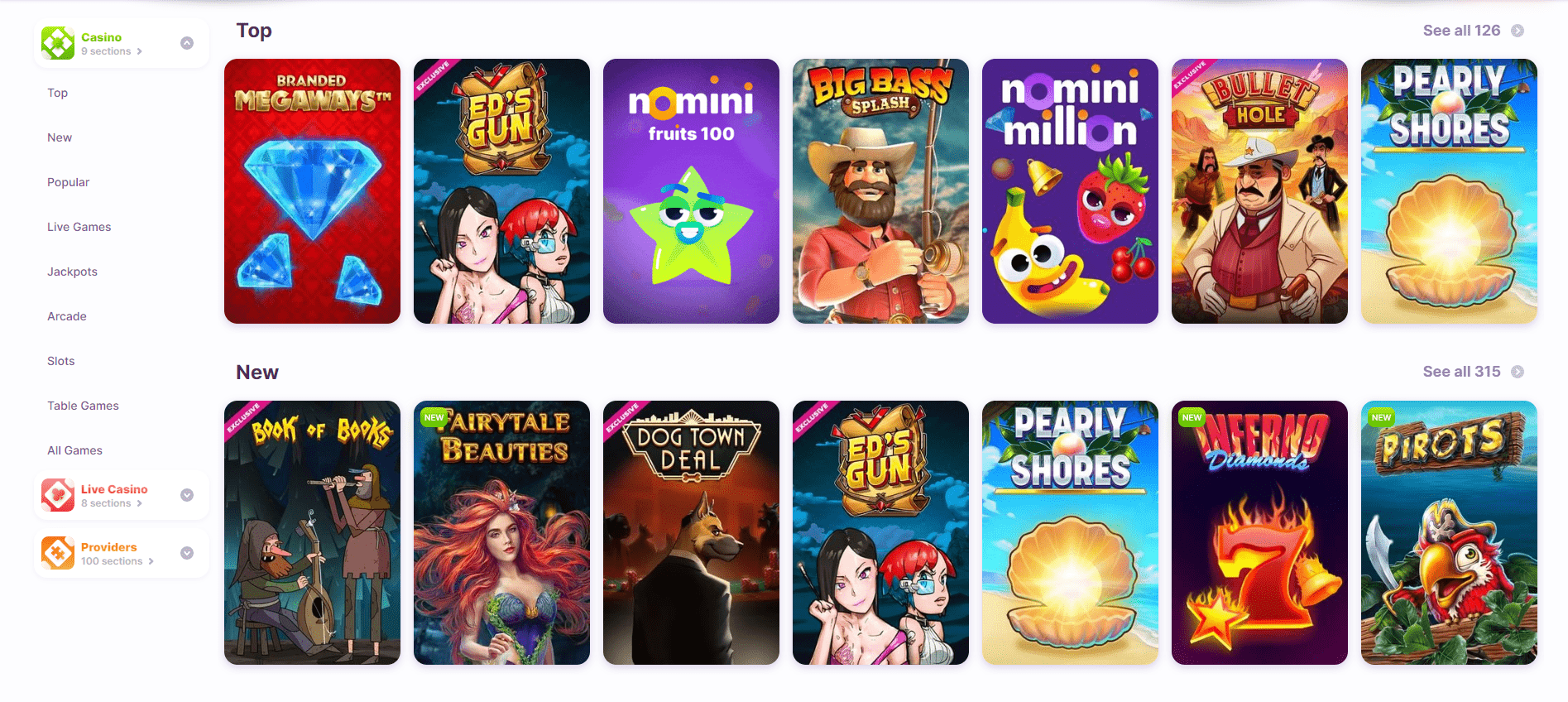
Online casino licensing forms the foundation of a protected and open digital gambling environment. Without a proper licence, a casino functions without oversight, and the hazards to players rise dramatically. In the United Kingdom, the regulatory framework stands among the most stringent in the world, making sure that every licensed operator meets exacting standards of player protection, fairness, and responsible conduct. Nomini Casino, for example, possesses a licence from the UK Gambling Commission, a definite signal that the platform satisfies rigorous requirements. Grasping how licensing works, why it counts, and how it connects to affiliate programmes provides a firm foundation for anyone engaging with the online casino industry. This introduction examines the core principles, the key regulatory bodies, and the hands-on steps to check a licence.
How Online Casino Licensing Operates
Getting and maintaining an online gambling license is a intricate, multi-stage procedure that requires considerable investment and ongoing commitment. The provider must present a detailed submission covering every element of the operation, from corporate framework and the profile of key personnel to the system infrastructure of the site. The authority then performs a exhaustive review, a procedure that often takes several months, to ascertain whether the petitioner is suitable to obtain a licence. This is not a one-time event. Once the license is granted, the licensee enters a uninterrupted routine of compliance, submissions, and verification. The interaction between the gambling site and the regulator is dynamic, with the regulator having the power to issue penalties, withdraw the licence, or annul it fully if criteria fall short.
The Request and Review Procedure
The first application requires the casino to demonstrate its financial stability, the integrity of its software, and the effectiveness of its internal controls. All directors and key executives are required to undergo personal probity checks, and the business must prove that it has adequate policies for anti-money laundering, responsible gambling, and data protection. The gaming software is subjected rigorous testing by an approved laboratory, which validates the RNG and the theoretical return to player of each game. Only when every requirement is satisfied will the regulator award the licence. The cost of this process, both in time and money, creates a significant barrier to entry that helps filter out operators who are not serious about maintaining a compliant and ethical business.
Regular Compliance and Disclosure
Once licensed, the casino is not left to its own accord. Regular reporting is mandatory, covering financial transactions, player complaints, and any changes to the management team or the technical platform. Regulators also conduct periodic audits and can request ad-hoc inspections at any time. The operator must promptly notify the regulator of any significant event, such as a data breach or a system failure. Failure to meet these ongoing obligations can result in substantial financial penalties, formal warnings, or suspension of the licence. This continuous oversight ensures that the high standards demanded at the application stage are preserved throughout the life of the business, providing enduring protection for players and preserving the integrity of the market.
How to Confirm a Casino’s License
Knowing that a licence is crucial is only half the story. Every player and affiliate should also learn how to ensure that a licence is authentic and valid. Unlicensed operators sometimes show fake licence seals or claim to be regulated by non-existent regulators. A quick visual look is not enough because a logo can be forged simply. The verification process is easy once you understand what to look for, and it takes only a few seconds. By applying a simple set of actions, you can find out whether the casino is truly licensed and whether the licence is in good standing. This due care is a habit that secures both your funds and your personal details.
Essential Markers of a Valid Licence
The first move is to locate the licence data on the casino’s webpage. A legitimate company will present the licence number and the regulator’s badge, commonly in the bottom of every section. This data should be linked and direct directly to the official database. The details on the register must align precisely: the trading title, the domain URL, and the licence condition must all match with what the casino is displaying. Any discrepancy, such as a different domain address or an expired permit, is a red warning. The following sequence offers a reliable way for checking.
- Go to the bottom of the casino’s homepage and identify the licence seal or licence number.
- Select on the seal or the hyperlinked licence number; it should open a page on the regulator’s official website.
- Check that the domain name listed on the official register is identically the same as the one you are visiting.
- Verify that the licence status is “active” and that the operator’s name matches the brand name.
- If the link does not point to the regulator’s official domain, independently search the register using the licence number provided.
Utilizing the Official Registers
Every major licensing authority keeps a public register that anyone can search free of charge. The UK Gambling Commission’s register, for example, allows you to look up an operator by name, licence number, or domain name. The results will show the types of gambling activities authorised, any sanctions or suspensions, and the geographical scope of the licence. The Malta Gaming Authority and the Gibraltar Regulatory Authority provide similar search tools. Spend a moment to explore these registers, as they are the ultimate source of truth. A casino that makes it difficult to find this information, or that provides a broken link, should be treated with extreme caution, regardless of how professional the website may appear.
How Licensing Matters in the Digital Age
The digital nature of online gambling introduces unique challenges that a physical casino does not face. Players cannot see the gaming equipment or engage with the staff, so trust must be built through external verification. A licence from a reputable authority serves as a stamp of approval, verifying that the operator has passed thorough background checks, maintains segregated player funds, and uses independently tested software. Without this oversight, a player would have no guarantee that the games are fair or that their personal data is secure. Licensing changes an anonymous online transaction into a regulated relationship, offering consumers confidence that they are protected by law and that the operator is accountable to a higher authority.
Safeguarding Players and Fairness
An essential part of any casino licence is to provide that the games are fair and random. Regulatory bodies require operators to use Random Number Generator (RNG) systems that have been certified by accredited testing laboratories. These audits guarantee that every spin of a slot reel or deal of a card is unpredictable. Beyond the technical integrity of the games, licensing also mandates that the terms and conditions are explicit, bonus policies are transparent, and withdrawal procedures are fair. Players are entitled to a formal complaints process, and if a dispute cannot be handled directly with the casino, the regulator can intervene as an impartial adjudicator. This layered safety net creates a safety net that unlicensed casinos cannot match.
- Approved Random Number Generators tested by independent labs
- Transparent and transparent bonus terms and wagering requirements
- Availability of an independent dispute resolution service
- Regular audits of game payouts and return-to-player percentages
- Strict rules against misleading advertising and unfair contract terms
Safe Gambling and Financial Security
Regulation also places a heavy emphasis on responsible gambling and the protection of vulnerable players. In the UK, the Gambling Commission requires all operators to provide a complete suite of player protection tools, such as deposit limits, reality checks, time-outs, and self-exclusion options. The operator must also have clear policies for identifying and interacting with players who exhibit signs of harm. Financial security is an additional non-negotiable pillar. Licensed casinos must maintain player funds in separate accounts, guaranteeing that customer balances are safeguarded even if the company experiences financial difficulties. Strict anti-money laundering checks and Know Your Customer winnipegfreepress.com procedures are required, creating the entire ecosystem more secure for every participant and helping to prevent criminal activity.
Key Regulatory Bodies Worldwide
The worldwide landscape of online casino licensing is defined by several well-respected authorities, each with its own jurisdiction, regulatory philosophy, and standing. While some governments operate their own licensing regimes, the industry has also experienced the rise of specialist jurisdictions that have become focal points for online gambling. These bodies establish the rules that operators must adhere to, and their logos are often shown on casino websites as a sign of trustworthiness. For UK players, the most important authority is the Gambling Commission, but grasping the role of other regulators, such as the Malta Gaming Authority and the Gibraltar Regulatory Authority, offers a broader picture of how the industry is overseen across different regions.
The UK Gambling Commission
A UK Gambling Commission is widely regarded as one of the toughest and effective gambling bodies in the world. Created under the Gambling Act 2005, it supervises all kinds of gambling in Great Britain, from land-based betting shops to the biggest online casinos. Its responsibilities includes issuing licences, ensuring compliance with the licence conditions and codes of practice, and taking enforcement action against operators who neglect their obligations. The Commission is also in charge for the National Strategy to Reduce Gambling Harms and has the ability to levy substantial fines. For a operator like Nomini Casino to accept UK en.as.com players, it must hold a valid licence from this organization, a condition that instantly signals a high level of trustworthiness and player protection.
Alternative Prominent Licensing Authorities
Outside the United Kingdom, read the details, several other jurisdictions have established strong reputations for overseeing online gambling. The Malta Gaming Authority (MGA) is among the most recognised, delivering a thorough regulatory framework that covers casino games, sports betting, and poker. The Gibraltar Regulatory Authority and the Alderney Gambling Control Commission are also highly respected, notably among operators targeting the European market. Licences from Curacao are widespread in the industry, but they typically offer a more relaxed regulatory touch and are not sufficient for operators wishing to legally serve the UK market. Each jurisdiction has its own strengths, and informed players and affiliates often go beyond the licence logo to understand the particular protections that each authority offers.
- Malta Gaming Authority (MGA) – A well-established European regulator known for its detailed compliance framework and player protection measures.
- Gibraltar Regulatory Authority – A established licensing body with a firm focus on the honesty of operations and financial probity.
- Alderney Gambling Control Commission – Respected for its strict technical standards and independent testing requirements.
- Curacao eGaming – A favoured jurisdiction for start-ups due to lower costs, though it offers more limited specific player protections versus tier-one regulators.
The significance of regulation in affiliate programs
Partner marketing is a vital avenue for internet casinos, and authorisation plays a key function in how these relationships are arranged and managed. A trustworthy affiliate programme will exclusively recommend licensed companies because the affiliate’s own standing relies on the safety and integrity of the brands they suggest. Licensing delivers a clear framework for accountable promotion, ensuring that partners do not create false assertions or focus on at-risk people. The legal relationship between the affiliate and the casino is also shaped by the legal context, as the operator must verify that all external advertising actions remain conforming. The affiliate programme run by Nomini Casino, for example, is founded on this regulated groundwork, assuring that all marketing materials satisfy the mandated benchmarks.
Conformity for Affiliates
Marketers who promote online casinos in the UK must comply with strict advertising regulations implemented by both the Gambling Commission and the Advertising Standards Authority. All promotional content must be honest, must not target children, and must include clear responsible gambling messaging. The affiliate cannot portray gambling as a solution to financial problems or indicate that it can enhance personal qualities. Licensed operators are obliged to monitor their affiliates’ activities and can be held responsible for any breaches. This means that legitimate affiliate programmes impose their own compliance checks, often offering pre-approved marketing materials and demanding affiliates to display licence information and links to terms and conditions. This collaborative approach keeps the entire promotional ecosystem within the bounds of the law.
Perks of Promoting Licensed Brands
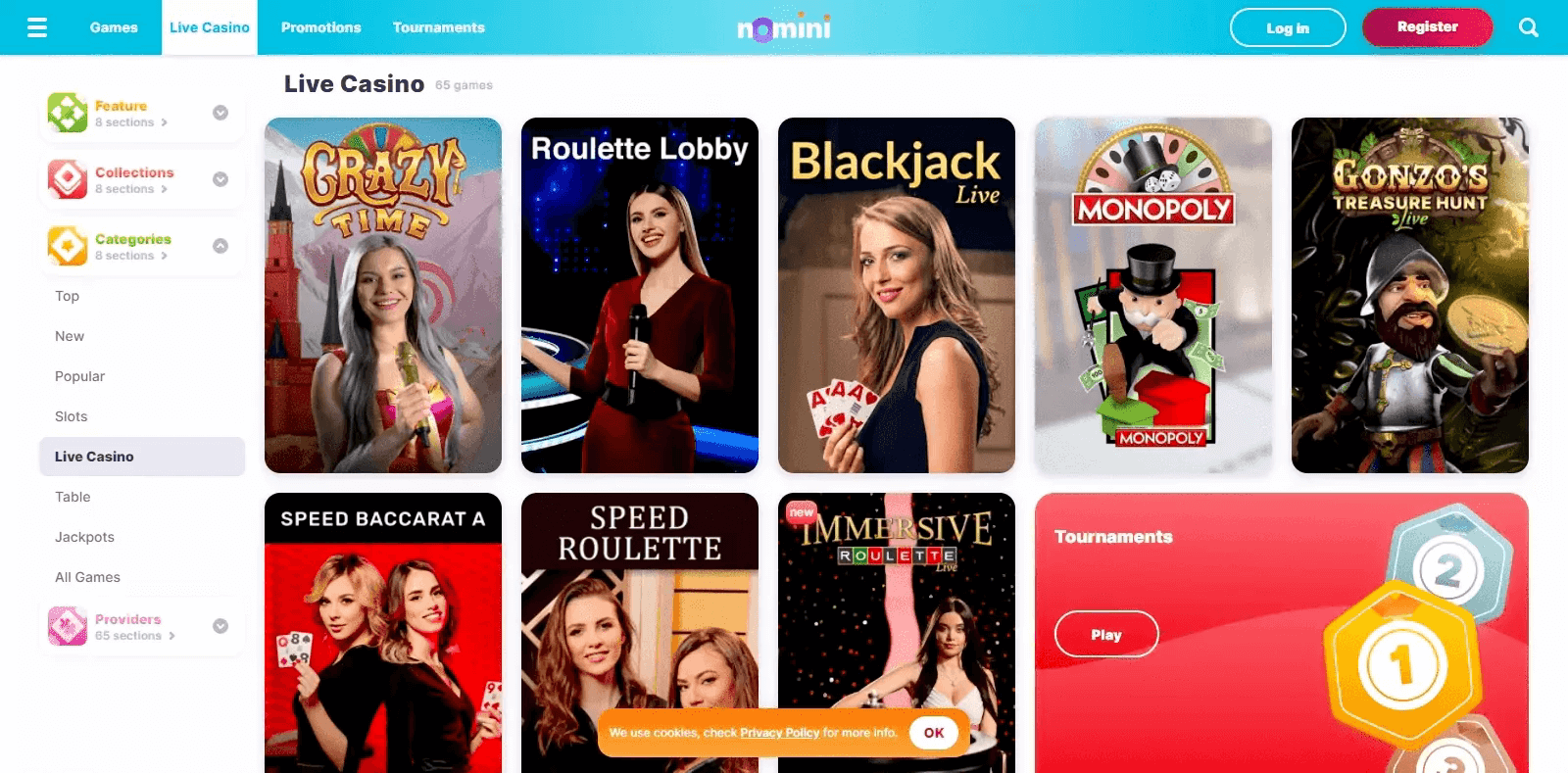
For affiliates, choosing to work exclusively with licensed casinos offers tangible benefits that go far beyond legal compliance. Players are more likely to trust and convert on a site that shows a recognized licence seal, contributing to higher retention rates and a more sustainable revenue stream. Licensed operators tend to have more stable, long-term business models, which minimizes the risk of a programme shutting down unexpectedly. The transparent reporting systems and fair payment terms mandated by licence conditions give affiliates greater confidence in the tracking and payment of their commissions. Promoting a brand such as Nomini Casino, which operates under a UK Gambling Commission licence, sends a clear message to the audience that the affiliate prioritizes safety, fairness, and a responsible approach to gambling.
Archives
- October 2026
- September 2026
- August 2026
- July 2026
- June 2026
- May 2026
- April 2026
- March 2026
- February 2026
- January 2026
- December 2025
- November 2025
- October 2025
- September 2025
- July 2025
- August 2024
- July 2024
- June 2024
- May 2024
- April 2024
- March 2024
- February 2024
- January 2024
- December 2023
- November 2023
- October 2023
- September 2023
- August 2023
- July 2023
- June 2023
- May 2023
- April 2023
- March 2023
- February 2023
- January 2023
- December 2022
- November 2022
- October 2022
- September 2022
- August 2022
- July 2022
- June 2022
- May 2022
- April 2022
- March 2022
- February 2022
- January 2022
- December 2021
- November 2021
- October 2021
- September 2021
- August 2021
- July 2021
- June 2021
- May 2021
- April 2021
- March 2021
- February 2021
- January 2021
- December 2020
- November 2020
- October 2020
- September 2020
- August 2020
- July 2020
- June 2020
- May 2020
- April 2020
- March 2020
- February 2020
- January 2020
- December 2019
- November 2019
- October 2019
- September 2019
- August 2019
- July 2019
- June 2019
- May 2019
- April 2019
- March 2019
- February 2019
- January 2019
- December 2018
- November 2018
- October 2018
- September 2018
- August 2018
- July 2018
- June 2018
Categories
- Uncategorized
- Cross Country Moving Tips
- All About Packing
- Places for Relocation
- Commercial Moves
- Specialty Moving
- Relocation Planning
- State to State Moving
- Blog
- City to City moving
- Moving industry standards
- Post-move activities and tasks
- Moving Tips
- Moving statistics
- rental listings
- rental scams
- verdecasinolt.net
- verdecasinobelgique.com
- vulkanvegascasino.us
- hitnspinosterreich.com
- hitnspinromania.com
- bettycasinocanada.net
- bettywinscasinocanada.com
- captaincookscasinocanada.org
- 3
- captaincookscasinonz.com
- jackpotcitybrazil.com
- pokerstarscasinoitalia.net
- Forex News
- netwincasinoitalia.com
- starcasinoitalia.net
- quatrocasinofrancais.com
- classiccasinonz.com
- ! Без рубрики
- 888-casinoespana.com
- 888casinobg.com
- 888casino-nz.com
- 888casinohungary.com
- partycasinocanada.net
- yabby-casinonz.com
- FinTech
- yabbycasinoitalia.com
- yabbycasinosouthafrica.com
- jackpotcitycasinocanada.com
- test
- jackpotcitycasinosouthafrica.com
- rubyfortunecasinonz.com
- what does nlu mean 8
- pokerstarscasino-uk.uk
- pokerstarscasinoitalia.com
- pokerstarscasinoro.com
- pokerstarscasinopt.com
- pokerstarscasinoslovenija.com
- boocasinocanada.net
- bet365casinoespana.com
- bet365casinoitalia.com
- NEW
- netbetcasinoitalia.com
- bet365casinosverige.com
- ardentecasinoitalia.com
- spinangacasinoitalia.com
- adobe generative ai 1