
Microphone Session Break: Fruit King game Slot Sings a Rest in the UK
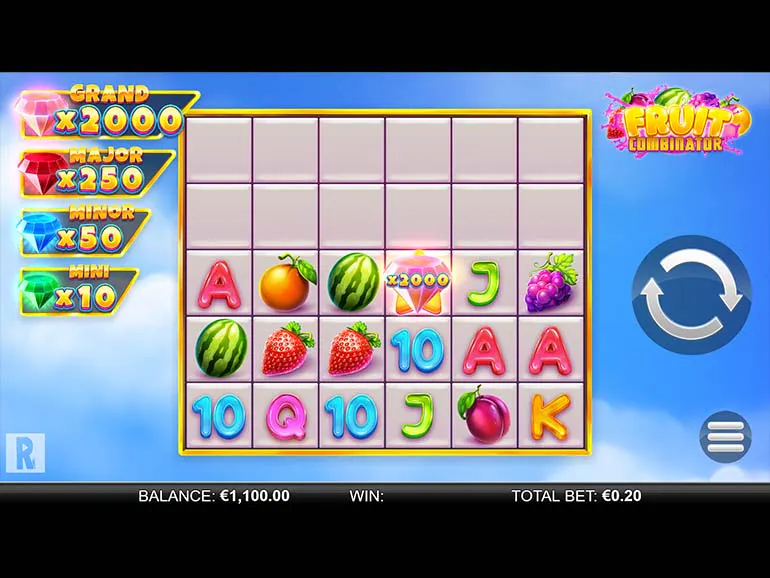
The online slot scene in the Britain never stays still. Titles come and go, surfing waves of player interest and changing policies. Recently, I’ve noticed a particular quiet spot where something vibrant used to be. The fruitkingslot, a game that left its imprint with sing-along bonus rounds and cluster-pays, seems to have played its last song for users here. Major online casinos operating in the UK have removed it. This looks like a deliberate pullout, not a temporary error. So, what occurred? The factors could be anything from licensing tweaks to a basic change in commercial approach. For players who enjoyed its quirky, sing-along attraction, its vanishing leaves a evident hole.
Concluding Observations on a Waning Tune
Looking into Fruit King’s status, I think its UK withdrawal stemmed from several real-world circumstances of a highly regulated digital business. It wasn’t a random error or a one regulation infringement. More plausibly, it was the result of several factors converging: commercial performance, operational resource shifts, and the constant steady presence of regulatory costs. The game did its role. It amused its players for a period, and now it’s been removed, like a melody dropping off the broadcast playlist. Its fans have noticed it’s gone, and it stands as a instructive case study in how temporary digital gaming content can be.
The UK online slot market keeps shifting, with numerous of new games appearing each year. While Fruit King’s particular tune has ended, the overall show carries on. The space it abandons reminds us that niche creativity counts in a saturated field. For users, it’s a reminder that the digital landscape flows and transforms; cherished games can leave, but new titles are always available. For the sector, it underscores the constant juggling act between novelty and legalities, and between handling a portfolio and ensuring players happy. Fruit King’s concluding note has been performed for UK players. The larger performance, inevitably, proceeds without it.
Analyzing the Market Void and Potential Alternatives
With Fruit King removed, I’ve studied the UK market to discover slots that might provide a comparable vibe or mechanism. That precise mix of fun karaoke and cluster-pays is difficult to find. But users who long for the cluster-pays system have some excellent choices. Products like NetEnt’s “Aloha! Cluster Pays” or Pragmatic Play’s “Sweet Bonanza” (and its many spin-offs) provide colorful themes and engaging cluster gameplay with avalanche wins and bonus rounds. They exchange neon karaoke for sunny beaches or candy worlds, but the fluid, cascading experience and possibility for massive chain reactions are always there.
Finding a alternative for the musical interactivity is tougher. A small number of slots integrate musical components into their bonuses, transforming reels into instruments or having wins trigger sound sequences. But Fruit King’s unique “karaoke session” concept, where the free spins place you as the star performer, was a unique hook. Its exit leaves a genuine gap. It demonstrates there’s an market for slots that are about more than winning; they desire to participate in a playful, character-driven event. This could be a signal for other developers to experiment with more participatory bonus rounds.
Cluster Pays Rivals
The cluster-pays mechanism itself is still in demand and readily found. Players can test games like “Gems Bonanza” or “Moon Princess” for a more strategic, grid-based task. These titles frequently feature complex modifier systems that develop as you play, providing a depth that may interest those who enjoyed how Fruit King’s karaoke session unfolded. The look and feel of symbols tumbling after a win offer a comparable satisfaction, even if the motif is distinct. The secret for former Fruit King fans is to determine what they loved most—the cluster pays, the karaoke theme, or the bonus structure—and look for games that focus on that area.
Thematic and Musical Substitutes
If you’re delving into the musical niche, slots like NetEnt’s “Guns N’ Roses” or “Jimmy Hendrix” offer a rock concert atmosphere with entire soundtracks and smart features, though they use standard paylines. For pure, upbeat fun, something like “Monkey Madness” or “Piggy Bank Bills” has that cartoonish energy. But the relaxed, “night-out-at-a-karaoke-bar” vibe was something Fruit King perfected. Its removal shows that truly original themes have value, and when they’re gone, you feel it. It could encourage players to explore games from lesser-known studios or fresh market participants who are seeking to stand out with similarly fresh ideas.
Influence on the UK Player Base
For the UK players who enjoyed Fruit King, its disappearance is a genuine loss. Online slot players form attachments to specific games. They like the theme, the mechanics, their own history with it. Taking a favourite game away disrupts routines and triggers a search for a replacement, which isn’t always easy. The mix of karaoke and cluster-pays was pretty unique. Players interested in that specific combo might find the current market doesn’t have a perfect match. This leads to frustration. It can feel like the diversity of available games is slowly diminishing.
This situation also demonstrates something bigger about digital gambling that we often forget: access isn’t permanent. When you buy a physical game, it’s yours. With an online slot, you only get temporary access through a casino, reliant on licenses, business deals, and regulations. Players don’t own these games. Fruit King is a solid reminder that any online game can vanish with little warning, no matter how much a niche group appreciates it. This transient nature of content can shake player trust in both operators and providers. Your entertainment can disappear because of decisions made in a boardroom you’ll never see.
The Ascent and Melody of Fruit King Slot
To see why its absence counts, you need to understand what made Fruit King distinctive in a competitive market. It wasn’t just another fruit machine copy. A well-known developer created it, and they introduced a cheerful karaoke element right into the main game. Wins came from groups of matching symbols (clusters) instead of old-fashioned paylines. The backdrop was a neon-lit city at night. It took classic symbols—cherries, lemons, bells—and offered them a contemporary, interactive experience. For a while, it was a fun change from the countless slots about ancient gods or fantasy epics. It attracted the attention of players who wanted something upbeat and a bit silly, but that still offered the opportunity for decent wins.
Everyone spoke about the bonus features, which were smartly linked to the karaoke concept. Landing scatter symbols triggered the free spins round, where the real performance started. The music changed, and gameplay modifiers like growing multipliers or extra wilds would coordinate with the “song.” This mix of sound and action created an sensation that felt more involved than just watching reels turn. You felt like you were portion of the show. The game’s risk and its return-to-player (RTP) rate were comparable, sitting well within the normal scope for games approved by the UK Gambling Commission. Fruit King showed that the industry could play with story and player engagement, not just pure luck.
The Reality of Slot Retirement in a Controlled Market
Fruit King’s delisting is a case of a common business practice in iGaming that seldom receives attention. Game retirement is a business and operational truth. Keeping a game live costs money: server space, updates for modern devices and platforms, compliance checks for regulatory updates, and customer support links. When a game’s earnings drop under a certain point, these ongoing costs can consume any profit. In a heavily controlled market like the UK, where every game change needs testing and approval by accredited agencies, the cost for even small updates is far larger than in unregulated spaces.
So the choice to withdraw a game is often a basic business judgment. The provider weighs the expected future income from the game against the fixed expenses of keeping it online and compliant. For a niche title like Fruit King, the audience may have been faithful but perhaps not large enough to cover those continuing expenses. This is especially the case if the same developer has newer games grabbing more attention and money. It’s a standard aspect of the content lifecycle in digital entertainment, but it feels sharper in gambling because of the real-money stakes and the personal habits players build around their beloved titles.
Considering The Future of Niche Slots in the UK
The story of Fruit King raises questions about variety in the UK’s online slot market. As regulations get more stringent—a necessary move for consumer protection—there’s a consequence. The market could begin to appear the same. If compliance costs impact lesser, quirkier titles most severely, providers may play it safe and prioritize “mass appeal” slots, leaving innovative concepts like Fruit King behind. A healthy market demands a balance. Player safety should be paramount, but creativity and variety must not be stifled. That calls for regulatory rules that are clear and consistent, so developers know the boundaries they can innovate within.
For players, the takeaway is to savour your favourite games while they’re around and have a few others in rotation. For the industry, Fruit King’s withdrawal delivers a signal. It proves that players have an interest for well-crafted, thematic experiences that aren’t about dragons or gems. The goal for developers is to develop these inventive games within the UK’s strict rules from the very beginning, integrating compliance into the design instead of attempting to add it later. The silence left by Fruit King’s karaoke session is a pause. Maybe something new will fill it, a future game that builds upon what worked while adapting to the realities of the UK market more securely.
Identifying the Silence: The Exit from UK Markets
I’ve checked the current status of Fruit King across a number of UK-licensed casinos. The pattern is evident and extensive: the game is unavailable. Players looking for it on their usual sites find nothing. This isn’t just one casino removing a title. It’s a organized removal. Often, the game’s page displays a “404 Not Found” error. Other times, it just is absent in the developer’s UK game list anymore. This indicates a deliberate action taken at the source, likely by the game’s creator or its partners, to block access in places regulated by the UKGC.
A coordinated removal like this usually comes down to strategy or compliance. The UK market works under strict rules from the Gambling Commission. The UKGC frequently assesses licensed games and can order changes to adhere to new guidelines on design, play speed, or advertising. If a game demands major, costly changes to fulfill these standards, withdrawing it becomes a viable option. The decision could also be purely commercial. It might involve ending licensing deals for certain regions, or a calculated choice by the provider to direct energy and money on newer games that perform better or appeal to more players here.
Licensing and Oversight Pressures
The UKGC has been busy these last few years, strengthening rules on slot design to encourage safer play. They’ve aimed at features that accelerate play or conceal losses, like turbo spins, and demanded clearer display of game stats like RTP. Fruit King wasn’t famous for having these aggressive features, but its overall design and bonus mechanics might have been reviewed during a routine compliance check. Adjusting a game’s code or math model to fulfill new interpretations of the rules is complicated and expensive. For a game whose player numbers were likely already tapering off, the cost of re-certifying it for the UK might have been difficult to justify. The business case just wasn’t there anymore.
Tactical Portfolio Management
On the commercial side, game providers are always watching how their games perform in each market. They measure player engagement, revenue, and upkeep costs. It’s conceivable Fruit King’s UK numbers didn’t reach long-term targets, even with its novel theme. The slot business progresses fast. Player tastes evolve, and new titles debut every month. Resources for game maintenance, marketing, and technical support are limited. A choice might have been made to retire Fruit King from the UK to allocate those resources for more successful games or for new projects that fit current trends better. It’s a pruning exercise, focusing the portfolio on the strongest performers.
Archives
- October 2026
- September 2026
- August 2026
- July 2026
- June 2026
- May 2026
- April 2026
- March 2026
- February 2026
- January 2026
- December 2025
- November 2025
- October 2025
- September 2025
- July 2025
- August 2024
- July 2024
- June 2024
- May 2024
- April 2024
- March 2024
- February 2024
- January 2024
- December 2023
- November 2023
- October 2023
- September 2023
- August 2023
- July 2023
- June 2023
- May 2023
- April 2023
- March 2023
- February 2023
- January 2023
- December 2022
- November 2022
- October 2022
- September 2022
- August 2022
- July 2022
- June 2022
- May 2022
- April 2022
- March 2022
- February 2022
- January 2022
- December 2021
- November 2021
- October 2021
- September 2021
- August 2021
- July 2021
- June 2021
- May 2021
- April 2021
- March 2021
- February 2021
- January 2021
- December 2020
- November 2020
- October 2020
- September 2020
- August 2020
- July 2020
- June 2020
- May 2020
- April 2020
- March 2020
- February 2020
- January 2020
- December 2019
- November 2019
- October 2019
- September 2019
- August 2019
- July 2019
- June 2019
- May 2019
- April 2019
- March 2019
- February 2019
- January 2019
- December 2018
- November 2018
- October 2018
- September 2018
- August 2018
- July 2018
- June 2018
Categories
- Uncategorized
- Cross Country Moving Tips
- All About Packing
- Places for Relocation
- Commercial Moves
- Specialty Moving
- Relocation Planning
- State to State Moving
- Blog
- City to City moving
- Moving industry standards
- Post-move activities and tasks
- Moving Tips
- Moving statistics
- rental listings
- rental scams
- verdecasinolt.net
- verdecasinobelgique.com
- vulkanvegascasino.us
- hitnspinosterreich.com
- hitnspinromania.com
- bettycasinocanada.net
- bettywinscasinocanada.com
- captaincookscasinocanada.org
- 3
- captaincookscasinonz.com
- jackpotcitybrazil.com
- pokerstarscasinoitalia.net
- Forex News
- netwincasinoitalia.com
- starcasinoitalia.net
- quatrocasinofrancais.com
- classiccasinonz.com
- ! Без рубрики
- 888-casinoespana.com
- 888casinobg.com
- 888casino-nz.com
- 888casinohungary.com
- partycasinocanada.net
- yabby-casinonz.com
- FinTech
- yabbycasinoitalia.com
- yabbycasinosouthafrica.com
- jackpotcitycasinocanada.com
- test
- jackpotcitycasinosouthafrica.com
- rubyfortunecasinonz.com
- what does nlu mean 8
- pokerstarscasino-uk.uk
- pokerstarscasinoitalia.com
- pokerstarscasinoro.com
- pokerstarscasinopt.com
- pokerstarscasinoslovenija.com
- boocasinocanada.net
- bet365casinoespana.com
- bet365casinoitalia.com
- NEW
- netbetcasinoitalia.com
- bet365casinosverige.com
- ardentecasinoitalia.com
- spinangacasinoitalia.com
- adobe generative ai 1